
Expertise
The Sams Clinic specializes in diagnosing and treating orthopedic, mobility, and performance-related conditions affecting the bones, joints, ligaments, tendons, muscles, and movement system.

Conditions Treated

Orthopedic Surgery & Arthroscopy

Sports & Performance Medicine

Orthobiologic Regenerative Therapy

Rehabilitation & Return to Activity
Conditions Treated at The Sams Clinic
The Sams Clinic specializes in diagnosing and treating the full spectrum of orthopedic and musculoskeletal disease, injury, and dysfunction, from common orthopedic conditions to complex, revision, and performance-limiting cases.

Conditions by Pathology
Arthritis & Degenerative Joint Disease
- Osteoarthritis / degenerative joint disease
- Post-traumatic osteoarthritis
- Secondary osteoarthritis associated with joint instability, dysplasia, or prior injury
- Chronic hip, elbow, shoulder, stifle, carpal, or tarsal osteoarthritis
- Multijoint osteoarthritis / mobility-limiting degenerative disease
Cartilage, Meniscal & Joint Disease
- Meniscal injury
- Focal cartilage, osteochondral, or osteochondritis dissecans (OCD) lesions
- Coronoid disease
- Medial compartment disease
- Synovitis or intra-articular inflammation
Fractures, Luxations & Orthopedic Trauma
- Long-bone, articular, periarticular, pelvic, scapular, or physeal fractures
- Open, comminuted, delayed-healing, or complex fracture
- Joint luxation
- Traumatic ligament, tendon, or muscle injury
- Delayed union, malunion, or nonunion
- Osteomyelitis / orthopedic bone infection
Growth, Alignment & Developmental Conditions
- Angular limb deformity, antebrachial deformity, limb malalignment, or limb-length discrepancy
- Physeal growth disturbance
- Joint incongruity
- Hip dysplasia
- Elbow dysplasia
- Osteochondrosis / osteochondritis dissecans (OCD)
- Patellar luxation associated with limb conformation
Lumbosacral, Sacroiliac & Load-Bearing Dysfunction
- Lumbosacral-region pain or dysfunction
- Sacroiliac-region pain or dysfunction
- Performance-related load-bearing dysfunction
- Compensation-related pain or dysfunction
Tendon, Ligament & Muscle Conditions
- Biceps tendinopathy / tenosynovitis
- Supraspinatus tendinopathy or mineralization
- Infraspinatus injury or contracture
- Iliopsoas strain or tendinopathy
- Common calcanean / Achilles tendon injury
- Collateral ligament injury
- Muscle strain or tear
- Periarticular soft-tissue pain or injury
Complex, Unresolved & Revision Cases
- Persistent lameness after treatment
- Incomplete recovery after surgery, treatment, or rehabilitation
- Unresolved soft-tissue injury
- Failed, recurrent, or complicated orthopedic repair
- Second-opinion evaluation for unresolved orthopedic findings
Conditions by Anatomy
Carpus (Wrist)
- Carpal hyperextension injury
- Carpal instability, ligament disruption, or collateral ligament injury
- Accessory carpal bone fracture
- Carpal osteoarthritis / degenerative joint disease
Elbow
- Elbow dysplasia
- Fragmented medial coronoid process / coronoid disease
- Ununited anconeal process
- Osteochondritis dissecans (OCD) of the humeral condyle
- Medial compartment disease
- Elbow incongruity
- Elbow synovitis
- Elbow osteoarthritis / degenerative joint disease
- Elbow luxation
Hip, Pelvis & Groin
- Juvenile or adult hip dysplasia
- Hip osteoarthritis / degenerative joint disease
- Coxofemoral subluxation or luxation
- Femoral head and neck disease
- Iliopsoas strain or tendinopathy
- Pelvic fracture
Paw & Digits
- Phalangeal, metacarpal, or metatarsal fractures
- Digital instability, collateral ligament injury, or interphalangeal luxation
- Digital flexor or extensor tendon injury
- Sesamoid disease / sesamoiditis
- Weight-bearing digit injury
Shoulder
- Medial shoulder syndrome / glenohumeral instability
- Biceps tendinopathy / tenosynovitis
- Supraspinatus tendinopathy, mineralization, or partial-thickness injury
- Infraspinatus injury or contracture
- Osteochondritis dissecans (OCD) of the shoulder
- Glenohumeral osteoarthritis / degenerative joint disease
- Shoulder luxation
Stifle (Knee)
- Cranial cruciate ligament disease, partial tear, or rupture
- Meniscal injury
- Medial or lateral patellar luxation
- Osteochondritis dissecans (OCD) of the stifle
- Stifle synovitis
- Stifle osteoarthritis / degenerative joint disease
Tarsus (Hock)
- Tarsal instability or collateral ligament injury
- Common calcanean / Achilles tendon injury
- Calcanean fracture
- Superficial digital flexor tendon luxation
- Osteochondritis dissecans (OCD) of the talus
- Tarsal osteoarthritis / degenerative joint disease
Orthopedic & Minimally Invasive Surgery
For more than a quarter century, The Sams Clinic has led the advancement of veterinary orthopedics and minimally invasive diagnosis and treatment.

Orthopedic Evaluation & Diagnostic Planning
Accurate diagnosis is the foundation of effective orthopedic treatment. Before recommending care, The Sams Clinic identifies the source of pain, lameness, dysfunction, or instability and how it affects the patient’s comfort, mobility, activity, and long-term function.
Evaluation is individualized around the patient’s history, prior diagnostics, prior surgery, response to treatment, clinical findings, owner observations, and referring veterinarian records. When additional information is needed, diagnostic evaluation is organized across four pathways:
- Clinical evaluation: comprehensive and joint-specific orthopedic examination, palpation and pain localization, gait and movement assessment, range-of-motion evaluation, joint stability and limb alignment assessment, weight-bearing and functional mobility assessment, objective gait or force-plate analysis, and orthopedic-versus-neurologic screening
- Imaging: radiographs / X-rays, comparative or stress radiographs, CT imaging, review of prior or outside imaging, preoperative and postoperative imaging assessment, CT-based planning, three-dimensional surgical planning, patient-specific surgical guides, deformity correction, limb-alignment, and fracture-reconstruction planning
- Laboratory testing: pre-procedure and pre-anesthesia testing, CBC and chemistry testing, culture and sensitivity, cytology, synovial fluid analysis, infectious or inflammatory workup, osteomyelitis evaluation, histopathology, and bone or soft-tissue biopsy analysis
- Procedural diagnostics: diagnostic and dynamic musculoskeletal ultrasound; arthroscopic or needle-scope evaluation of the shoulder, elbow, stifle, and tarsus; cartilage, meniscal, synovial, capsular, and intra-articular ligament assessment; joint aspiration; synovial fluid collection; bone, soft-tissue, and musculoskeletal lesion sampling; and ultrasound-guided localization
Treatment planning is individualized around the diagnosis, disease severity, patient age and size, activity level, functional demands, recovery expectations, and short- and long-term goals. When options exist, our specialists discuss surgical, minimally invasive, non-surgical, or combined pathways so owners and referring veterinarians can make informed decisions.
Surgical Treatment
Surgical recommendations are individualized around the diagnosis, disease severity, patient age and size, activity level, functional demands, recovery expectations, and long-term goals. Not every orthopedic condition requires surgery, and not every surgical condition requires the same procedure.
- Cruciate, patellar & joint stabilization: tibial plateau leveling osteotomy (TPLO), tibial tuberosity advancement (TTA), extracapsular cranial cruciate ligament stabilization, medial and lateral patellar luxation repair, tibial tuberosity transposition, distal femoral osteotomy, collateral ligament reconstruction, shoulder stabilization, capsulorrhaphy, fascial imbrication, luxation repair, and revision stabilization procedures. Learn more >
- Arthroscopic, intra-articular & cartilage surgery: shoulder, elbow, stifle, and tarsal arthroscopy; diagnostic arthroscopy; arthroscopic chondroplasty; partial meniscectomy; meniscal release; osteochondritis dissecans lesion debridement; fragmented medial coronoid process debridement; synovial or capsular treatment; arthroscopic radiofrequency treatment; exploratory arthrotomy; open meniscal treatment; osteochondral autograft transfer (OATS); and treatment of cartilage, meniscal, ligament, and intra-articular disease
- Fracture, trauma & skeletal reconstruction: fracture reduction and stabilization; articular, pelvic, scapular, physeal, open, comminuted, and complex fracture repair; arthroscopic-assisted fracture reduction; minimally invasive plate osteosynthesis (MIPO); luxation management; delayed-healing fracture treatment; malunion or nonunion revision with bone grafting; and osteomyelitis debridement with skeletal stabilization
- Limb deformity, alignment & corrective osteotomy: femoral, tibial, radial, and ulnar angular limb deformity correction; tibial or femoral realignment; proximal or distal ulnar osteotomy; ulnar ostectomy; joint incongruity correction; distraction osteogenesis; growth-disturbance correction; limb-length management; and corrective osteotomy using three-dimensional planning or patient-specific surgical guides
- Tendon, ligament & periarticular soft-tissue surgery: Achilles tendon repair, superficial digital flexor tendon repair or luxation correction, biceps tenotomy or tenodesis, tendon and ligament repair, muscle or periarticular soft-tissue repair, and soft-tissue reconstruction around joints
- Arthrodesis & joint-salvage surgery: partial carpal arthrodesis, pancarpal arthrodesis, partial tarsal arthrodesis, pantarsal arthrodesis, stabilization of severe joint instability, and salvage surgery for failed, recurrent, or advanced joint disease
- Hip, pelvis & femoral procedures: femoral head and neck excision, hip luxation management, pelvic fracture reconstruction, and surgical treatment of femoral head, femoral neck, hip, and pelvic orthopedic disease
- Revision, implant, infection, biopsy & mass surgery: revision of failed or complicated orthopedic repair, implant complication management, removal of internal orthopedic implants or external skeletal fixation systems, treatment of postoperative complications or recurrent instability, bone biopsy, soft-tissue biopsy, musculoskeletal mass excision, and debridement of infected orthopedic tissue
Every procedure is selected for the individual patient, expected recovery, long-term function, and quality of life.
Arthroscopic & Minimally Invasive Treatment
The Sams Clinic emphasizes arthroscopic and minimally invasive treatment when advanced visualization, image guidance, or limited-access technique can diagnose or treat an orthopedic condition while preserving healthy tissue and supporting recovery.
- Arthroscopy & needle-scope procedures: diagnostic and therapeutic shoulder, elbow, stifle, and tarsal arthroscopy; needle-scope evaluation and treatment; arthroscopic chondroplasty; partial meniscectomy; meniscal release; osteochondritis dissecans lesion debridement; fragmented medial coronoid process debridement; synovial and capsular treatment; arthroscopic radiofrequency treatment; and arthroscopic treatment of cartilage, meniscal, ligament, and intra-articular disease
- Musculoskeletal ultrasound-guided procedures: dynamic soft-tissue evaluation, precision localization, targeted injections, and image-guided treatment of tendons, ligaments, muscles, joints, and periarticular soft tissues
- Orthobiologic & regenerative treatment: platelet-rich plasma (PRP), bone marrow aspirate concentrate (BMAC), adipose-derived cellular therapy, intra-articular orthobiologic therapy, tendon, ligament, muscle, and soft-tissue treatment, cartilage and osteoarthritis treatment, surgical-recovery support, nonoperative treatment, and biologic banking
- Less-invasive orthopedic techniques: arthroscopic-assisted fracture reduction and stabilization, arthroscopic-assisted intra-articular treatment, minimally invasive plate osteosynthesis (MIPO), percutaneous and limited-incision procedures, and minimally invasive diagnostic-to-treatment pathways
The goal is to select the least invasive medically appropriate pathway that can accurately address the patient’s condition while supporting durable comfort, mobility, recovery, and long-term function.
TPLO Surgery & Cranial Cruciate Ligament (CCL) Care
The Sams Clinic provides advanced evaluation and treatment for cranial cruciate ligament (CCL) disease -- often described by pet owners as a torn ACL in dogs -- for patients throughout the San Francisco Bay Area. When TPLO surgery is the most appropriate treatment, our specialists plan the procedure around each dog’s anatomy, degree of knee instability, meniscal and other joint findings, activity demands, overall health, and long-term functional goals.
Our specialists have performed thousands of TPLO surgeries and managed primary, complex, revision, and second-opinion cases. Members of our specialist team have also designed TPLO plates and implant systems used by veterinary surgeons. Treatment may incorporate arthroscopic joint and meniscal evaluation, rehabilitation, and a progressive return to activity.
TPLO is not automatically recommended for every dog with CCL disease. The complete orthopedic evaluation determines whether TPLO, another surgical procedure, or nonsurgical management offers the most appropriate path.
Explore TPLO surgery and cranial cruciate ligament treatment >
When to See an Orthopedic Specialist
Consider orthopedic evaluation if your pet is experiencing:
- Difficulty with daily function: trouble rising, lying down, sitting, climbing stairs, jumping, walking, getting into the car, or performing normal activities
- Lameness, stiffness or gait change: limping, uneven weight-bearing, altered stride, stiffness after rest or exercise, or changes in movement quality
- Pain, swelling or structural change: sensitivity, joint enlargement, limb deformity, abnormal limb position, guarding, or visible physical change affecting a limb or joint
- Sudden injury or loss of function: trauma, suspected fracture, luxation, ligament injury, non-weight-bearing lameness, or rapid change in limb use
- Incomplete recovery: persistent symptoms, stalled progress, recurrent lameness, poor limb use, or limited improvement after previous treatment, surgery, or rehabilitation
- Growth or alignment concerns: lameness in a young or growing animal, abnormal limb position, progressive deformity, uneven weight-bearing, or suspected developmental orthopedic disease
- Sport, work or activity changes: reduced speed, power, endurance, confidence, jumping ability, turning ability, workload tolerance, or performance under training, sport, work, or active daily life
Orthopedic consultation is also appropriate when the diagnosis remains uncertain, treatment options are unclear, or owners and referring veterinarians want specialist guidance before major decisions about surgery, minimally invasive treatment, non-surgical care, or long-term management.
Complex Cases & Second Opinions
The Sams Clinic frequently receives cases with complex histories, unresolved clinical questions, or previous treatment that has not produced the expected result. Consultation is often sought when the diagnosis remains uncertain, recovery has stalled, performance has not returned, or surgery, rehabilitation, or prior treatment has failed to restore the desired outcome.
Common referrals include persistent lameness, recurrent injury, unresolved pain, suspected missed diagnoses, failed orthopedic repair, postoperative complications, revision surgery candidates, and patients requiring a second opinion before major treatment decisions.
Sports & Performance Medicine
For dogs whose performance depends on precision, power, and control — where every stride, turn, and hesitation can matter — The Sams Clinic provides performance-level musculoskeletal care designed to localize subtle injury, guide precise treatment, and support return to sport, work, or activity.

Performance Evaluation & Diagnostic Localization
Performance-limiting injury is not always obvious. Changes in speed, power, endurance, movement quality, confidence, or task execution may occur before a clear diagnosis is apparent. Accurate localization is often the first step toward identifying the source of dysfunction and determining the most appropriate treatment plan.
Evaluation begins with a detailed review of performance history, training demands, workload, prior injury, recovery progression, and handler observations. When additional information is needed, diagnostic evaluation may include:
- Clinical evaluation: orthopedic examination, gait and movement assessment, load-bearing assessment, objective gait or force-plate analysis when indicated, and neurologic screening when clinically appropriate
- Imaging: radiographs / X-rays, CT imaging, review of prior or outside imaging, and case-specific orthopedic imaging planning
- Procedural diagnostics: musculoskeletal ultrasound, arthroscopic or needle-scope joint evaluation, joint aspiration, ultrasound-guided localization, and other diagnostic procedures when clinically appropriate
Findings are interpreted within the context of the patient's sport, work, activity level, performance goals, and the potential contribution of soft-tissue injury, joint disease, or other musculoskeletal dysfunction. Once the source of dysfunction is identified, recommendations are tailored to the diagnosis, performance demands, recovery requirements, and long-term functional objectives.
Treatment & Performance Management
Treatment is designed to restore performance, function, and comfort while supporting a safe return to sport, work, training, and activity. Recommendations are built around the patient’s diagnosis, injury severity, workload, performance goals, recovery requirements, and long-term functional objectives.
- Performance rehabilitation: therapeutic exercise, strengthening, conditioning, controlled loading and weight-bearing, gait retraining, movement-quality restoration, range-of-motion and joint-function care, proprioception, balance, coordination, neuromuscular control, manual therapy, soft-tissue mobilization, and progressive return-to-activity planning
- Orthobiologic & image-guided treatment: ultrasound-guided procedures, platelet-rich plasma (PRP), bone marrow aspirate concentrate (BMAC), adipose-derived cellular therapy, and targeted treatment of joint, tendon, ligament, muscle, and periarticular soft-tissue disease
- Arthroscopic & minimally invasive treatment: arthroscopy, needle-scope procedures, arthroscopic radiofrequency treatment, chondroplasty, meniscal treatment, OCD lesion debridement, and minimally invasive treatment of joint, cartilage, ligament, tendon, synovial, and periarticular disorders
- Orthopedic intervention: surgical stabilization, repair, reconstruction, fracture management, deformity correction, tendon or ligament surgery, and revision or salvage treatment when structural disease requires operative correction
- Workload & performance management: activity modification, workload progression, conditioning plans, training modification, sport-specific return planning, work-specific or return-to-duty progression, performance monitoring, management of recurrent soreness or compensatory dysfunction, reinjury-risk reduction, and long-term performance preservation
Recommendations are developed in the context of the patient’s sport, work, lifestyle, and expected performance demands.
Common Performance-Limiting Conditions
Common conditions evaluated include:
- Subtle or difficult-to-localize dysfunction: intermittent lameness, movement abnormalities, performance decline, or problems that become apparent only during training, competition, work, or higher-demand activity
- Soft-tissue injury: shoulder instability, biceps disease, supraspinatus injury, iliopsoas injury, tendon injury, ligament injury, muscle injury, and other soft-tissue conditions affecting athletic and working performance
- Joint & intra-articular disease: cartilage injury, meniscal injury, synovitis, shoulder, elbow, stifle, carpal, or tarsal joint disease, and other performance-limiting intra-articular disorders
- Carpal, tarsal & digit injury: injuries associated with jumping, turning, braking, landing, impact, and repetitive athletic activity
- Overuse & workload-related dysfunction: repetitive-stress injury, compensation patterns, workload intolerance, recurrent soreness, and performance decline associated with sport, work, and training
- Lumbosacral, pelvic & load-bearing dysfunction: conditions affecting movement quality, stride, propulsion, power generation, and sustained athletic performance
- Incomplete recovery or recurrent injury: persistent lameness, failure to return to previous levels of function or performance, or recurrent injury after treatment, surgery, or rehabilitation
When to Seek Performance Evaluation
Consider a performance evaluation if your dog is experiencing:
- Subtle or intermittent lameness: during training, competition, work, or daily activity
- Reduced performance: decreased speed, power, endurance, stamina, workload tolerance, or recovery after exertion
- Movement-quality changes: altered stride length, jumping mechanics, turning ability, acceleration, braking, landing, or overall movement quality
- Confidence or task changes: hesitation, inconsistency, loss of confidence, reluctance to perform, missed contacts, dropped bars, wider turns, or changes in previously reliable tasks
- Recurrent injury or soreness: recurring lameness, repeated soft-tissue injury, soreness after work, or performance decline associated with training, competition, work, or repetitive activity
- Incomplete recovery: failure to return to previous levels of function or performance after injury, treatment, surgery, or rehabilitation
- Uncertain diagnosis: when the source of performance loss, lameness, or musculoskeletal dysfunction remains unclear
Early evaluation may help identify performance-limiting conditions before they progress, allowing treatment and recovery plans to be tailored to the patient's sport, work, and performance goals.
Return to Sport, Work & Activity
Returning a patient to sport, work, training, or activity requires more than resolution of the original injury. Long-term success depends on appropriate healing, restoration of function, progressive conditioning, and the ability to perform safely under real-world demands.
Return-to-activity recommendations are individualized around the diagnosis, sport or job requirements, workload demands, recovery progress, and long-term performance goals.
Return-to-activity planning may include:
- Functional recovery assessment: strength, mobility, range of motion, gait quality, coordination, balance, and objective gait or force-plate analysis when indicated
- Progressive conditioning: strengthening, endurance development, therapeutic exercise, movement-quality restoration, and controlled loading
- Sport- or work-specific progression: graduated return to jumping, turning, sprinting, braking, hunting, service work, field work, competition, protection work, scent work, and other task-specific demands
- Workload management: activity progression, training modification, recurrence monitoring, and adjustment based on response to increasing demand
- Performance preservation: reinjury-risk reduction, compensation management, and long-term musculoskeletal planning as workload, training, or career demands change
The goal is durable return to sport, work, training, or active life while supporting long-term musculoskeletal health.
Orthobiologic & Regenerative Therapy
The Sams Clinic integrates orthobiologic therapy into individualized orthopedic treatment plans to support tissue healing, optimize recovery, and expand treatment options before, during, or after surgery when clinically appropriate.

Orthobiologic Therapies & How They Work
Orthobiologic therapy uses the patient's own tissues to support healing, reduce inflammation, and improve musculoskeletal function. The Sams Clinic provides three autologous orthobiologic therapies:
- Platelet-rich plasma (PRP): concentrated platelets and growth factors derived from the patient's blood
- Bone marrow aspirate concentrate (BMAC): concentrated bone marrow-derived cellular material, including mesenchymal stem cells, progenitor cells, platelets, and signaling factors
- Adipose-derived stem cell therapy: mesenchymal stem cell-rich therapy derived from the patient's adipose tissue
Each therapy has different biologic properties and clinical applications. Selection depends on the diagnosis, target tissue, treatment objective, available evidence, and the role the biologic will play within the overall treatment plan. Biologic banking is available for future therapy when appropriate.
Clinical Applications
Orthobiologic therapy may be recommended as primary treatment, as part of nonoperative management, in combination with rehabilitation, or to support selected orthopedic procedures.
Treatment planning is individualized according to the diagnosis, tissue involved, disease severity, chronicity, prior treatment response, patient age and activity, functional demands, and long-term goals.
- Joint, cartilage & intra-articular disease: osteoarthritis, degenerative joint disease, cartilage injury, osteochondral lesions, synovitis, meniscal disease, and inflammatory joint disorders
- Tendon, ligament, muscle & soft-tissue injury: tendinopathy, partial tendon injury, ligament injury, muscle injury, periarticular soft-tissue disease, and incomplete soft-tissue recovery
- Performance & workload-related conditions: repetitive-stress injury, recurrent soreness, compensation, workload intolerance, and musculoskeletal dysfunction associated with sport, work, training, or high activity
- Surgical repair & recovery support: biologic augmentation of selected orthopedic procedures and tissue-healing support during recovery
Ultrasound-Guided & Targeted Delivery
Precise orthobiologic treatment begins with precise localization. Musculoskeletal ultrasound provides real-time visualization of joints, tendons, ligaments, muscles, and periarticular soft tissues, helping identify the precise treatment site before and during orthobiologic therapy.
Real-time image guidance visualizes the treatment site and needle throughout the procedure, supporting accurate delivery while helping avoid adjacent nerves, blood vessels, and uninvolved tissues. This level of precision is particularly valuable when treating small, deep, or anatomically complex structures that may be difficult to target reliably without imaging.
When clinically appropriate, orthobiologic therapy can also be delivered arthroscopically or incorporated directly into selected surgical procedures as part of an individualized orthopedic treatment plan.
What to Expect
Orthobiologic treatment begins with evaluation and treatment planning to confirm the diagnosis, determine whether biologic therapy is appropriate, and select the therapy, treatment site, and delivery method.
Depending on the treatment selected, blood, bone marrow, or adipose tissue is collected and processed before image-guided or surgical delivery. Sedation or anesthesia is used when required for patient comfort, accurate collection, or precise treatment placement.
Most patients return home with instructions for activity restriction, medication, home care, and rehabilitation. The duration and progression of recovery depend on the tissue treated, severity and chronicity of the condition, treatment performed, and the patient’s functional goals.
Clinical response varies by patient and condition. Reassessment is used to evaluate pain, limb use, mobility, function, and progress toward activity goals. Some patients improve after a single treatment, while others benefit from staged or repeat therapy, additional rehabilitation, surgery, or a different treatment pathway.
Rehabilitation & Return to Performance
Rehabilitation translates diagnosis and treatment into improved movement, strength, comfort, and capacity, helping pets return safely to daily life, sport, or work.

Functional Assessment & Recovery Planning
Rehabilitation planning begins with the diagnosis, treatment performed, healing stage, pain, strength, muscle mass, range of motion, weight-bearing, gait, mobility, and the patient's functional demands.
Assessment identifies the factors limiting recovery and determines whether rehabilitation should be incorporated into postoperative recovery, nonoperative treatment, chronic-condition management, or return-to-performance planning. Treatment plans, home care, activity progression, and reassessment are individualized as healing and function change.
Rehabilitation Therapies
Rehabilitation combines active treatment, physical modalities, mechanical support, and home care to restore strength, mobility, limb use, movement quality, endurance, and neuromuscular control through:
- Therapeutic exercise & conditioning: strengthening, endurance development, controlled loading, progressive weight-bearing, flexibility, range-of-motion care, and joint-function restoration
- Gait & movement retraining: correction of altered gait, reduced limb use, compensation, and movement patterns that limit recovery or performance
- Balance & neuromuscular recovery: balance, coordination, proprioception, postural control, and task-specific movement progression
- Manual therapy & soft-tissue care: joint mobilization, manual therapy, and soft-tissue mobilization to address restriction, pain with movement, and soft-tissue dysfunction
- Physical modalities: therapeutic laser and extracorporeal shockwave therapy selected to support pain management, inflammation control, and tissue healing
- Orthotics & mobility support: orthotics, bracing, assistive devices, environmental modification, and activity adaptation for stability, protection, load management, and functional mobility
- Home rehabilitation: structured exercise, activity guidance, and progression between clinic visits
When Rehabilitation May Be Recommended
Rehabilitation may be recommended for patients recovering from injury, surgery, arthroscopy, orthobiologic treatment, or immobilization; managing orthopedic disease without surgery; experiencing delayed or incomplete recovery; or preparing to return to normal activity, sport, or work.
- Recovery after injury or treatment: rehabilitation following orthopedic surgery, arthroscopy, fracture repair, tendon or ligament treatment, orthobiologic therapy, and periods of restricted activity or immobilization
- Nonoperative orthopedic care: osteoarthritis, degenerative joint disease, and joint, tendon, ligament, muscle, or soft-tissue conditions managed without surgery
- Pain, weakness & loss of function: pain, stiffness, muscle loss, reduced range of motion, poor weight-bearing, altered gait, compensation, limited mobility, and reduced limb use
- Delayed recovery & chronic mobility decline: recovery that has stalled or regressed, persistent lameness, incomplete return of function, and progressive loss of strength or mobility
- Performance & workload-related needs: recurrent injury, repetitive-stress dysfunction, conditioning deficits, workload intolerance, and preparation for return to training, sport, work, or duty
Return to Activity, Sport & Work
Return to activity is guided by healing, pain control, strength, mobility, limb use, movement quality, conditioning, objective assessment when indicated, and readiness for the physical demands the patient must resume.
- Daily activity: progression toward comfortable walking, stairs, jumping, play, household mobility, and normal routines
- Sport & performance: graduated return to running, acceleration, braking, turning, jumping, endurance, competition, and sport-specific tasks
- Work & duty: progression toward service, field, hunting, detection, protection, and job-specific physical demands
- Long-term mobility & performance: workload progression, recurrence monitoring, reinjury-risk reduction, compensation management, and preservation of mobility or performance as age, workload, and goals change
Reassessment determines when activity can safely progress and whether the rehabilitation plan, workload, or broader treatment strategy should change.
TPLO Specialists for the San Francisco Bay Area
The Sams Clinic specialists have performed thousands of TPLO procedures and designed TPLO implant systems widely used by veterinary surgeons.

TPLO Experience
Performed thousands of TPLO surgeries across routine, complex, revision, and second-opinion cranial cruciate ligament cases.

TPLO Innovation
Designed TPLO plates and implant systems widely used by veterinary surgeons performing TPLO surgery.

Complete Cruciate Care
Treatment may incorporate arthroscopic joint and meniscal evaluation, orthobiologic therapies, rehabilitation, and progressive return to activity based on each dog’s injury and long-term functional needs.
Warning Signs: When to See a Specialist
Difficulty with Daily Function
Routine activities show when discomfort is affecting comfort, mobility, and normal use.
- Difficulty rising, lying down, or sitting normally
- Reluctance to jump, climb stairs, or get into the car
- Slower movement during normal routines
- Reduced activity, endurance, or comfort on walks
- Hesitation, avoidance, or behavior changes associated with movement
- Stiffness after rest or exercise
Lameness, Weight-Bearing & Gait Changes
Changes in limb use or movement quality can indicate pain, instability, compensation, or incomplete recovery.
- Subtle, intermittent, or difficult-to-localize lameness
- Complex tendon, ligament, muscle, and soft-tissue injury
- Intra-articular and performance-limiting joint disease
- Overuse, compensation, and workload-related disease
- Incomplete recovery after injury, surgery, or rehabilitation
- Performance loss under speed, load, repetition, or fatigue
Pain, Swelling, or Physical Change
Local tissue changes can signal joint disease, soft-tissue injury, fracture, luxation, or inflammation.
- Pain with touch or movement
- Swelling, heat, or sensitivity
- Joint thickening or enlargement
- Guarding a limb
- Visible deformity or abnormal limb position
- Open wound associated with lameness or limb abnormality
Sport, Work, or Performance Changes
Athletic and working dogs often show injury through changes in precision, power, timing, or confidence under demand.
- Reduced speed, power, drive, or endurance
- Dropped bars, missed contacts, slower turns, or altered jumping mechanics
- Shortened stride during work
- Hesitation, refusal, or loss of confidence in trained tasks
- Lameness during or after sport, work, or training
- Performance decline under speed, load, repetition, or fatigue
Recovery That Does Not Progress
A stalled recovery can signal that the diagnosis, tissue source, treatment plan, or progression strategy needs deeper review.
- Recovery that plateaus or regresses
- Persistent lameness or pain after treatment
- Poor limb use after injury or surgery
- Weakness, muscle loss, or limited range of motion
- Difficulty progressing activity safely
- Failure to return to normal activity, sport, work, or comfort
Growth, Alignment, or Early-Onset Changes
Early movement changes in young dogs can reflect developmental disease, growth-plate disturbance, joint incongruity, or limb alignment problems.
- Lameness in a young or growing dog
- Abnormal limb position or visible limb deviation
- Uneven weight-bearing
- Gait changes during growth
- Progressive deformity or asymmetry
- Difficulty with age-appropriate activity
Sudden Injury or Acute Structural Change
Acute trauma warrants prompt evaluation when pain, deformity, instability, or loss of function suggests structural damage.
- Sudden severe or non-weight-bearing lameness
- Injury after a fall, collision, accident, or high-impact activity
- Rapid swelling or severe pain
- Visible deformity or abnormal limb angle
- Immediate loss of limb function
Complex Cases & Second Opinions
The Sams Clinic frequently receives cases with complex histories, unresolved clinical questions, or previous treatment that has not produced the expected result. Consultation is often sought when the diagnosis remains uncertain, recovery has stalled, performance has not returned, or surgery, rehabilitation, or prior treatment has failed to restore the desired outcome.
Common referrals include persistent lameness, recurrent injury, unresolved pain, suspected missed diagnoses, failed orthopedic repair, postoperative complications, revision surgery candidates, and patients requiring a second opinion before major treatment decisions.
Our Specialists

Andrew Sams, DVM, MS, DACVS
Founder & Medical Director
Orthopedic Surgery & Arthroscopy

Sherman Canapp, DVM, MS, CCRT, DACVS, DACVSMR
Orthopedic Surgery & Arthroscopy
Sports Medicine & Rehabilitation

Dana Whitlock, DVM, MS, CCRP, CVA, DACVSMR
Sports Medicine & Rehabilitation
Patient Stories
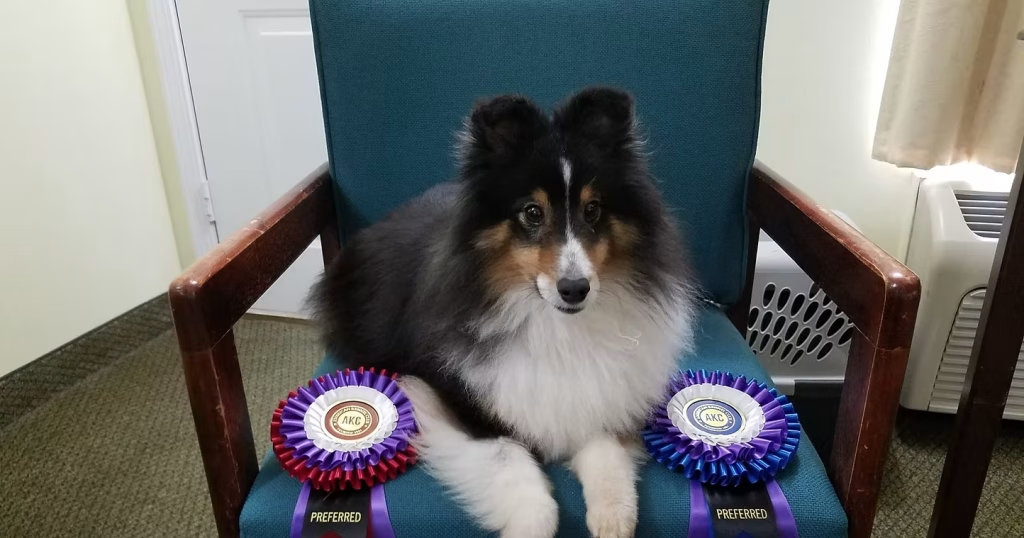
Tango
Agility
“About three months after Tango placed 4th in the USDAA Cynosport Steeplechase, he developed an intermittent, slight limp in his front leg. We went to veterinarians and a specialist, but no one could tell me exactly what was wrong, even after an MRI, physical therapy, laser therapy, Adequan and Metacam. On a former client’s suggestion, we flew from Seattle to see Dr. Canapp. I got an answer right away—Tango was diagnosed with bilateral medial shoulder syndrome.”
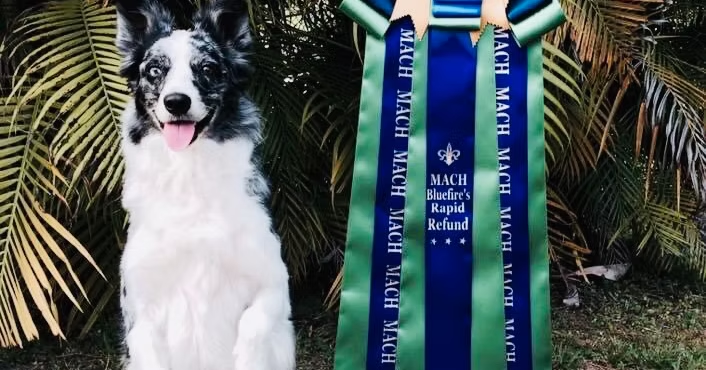
Check
Agility
“My 6-year-old competition agility Border Collie, “Check,” had a medial shoulder instability (MSI) injury that required radiofrequency treatment. At that same time, she also had a severely strained iliopsoas. My dog recovered completely and went on to finish her Master Agility Championship title, running over 7 yards per second.”
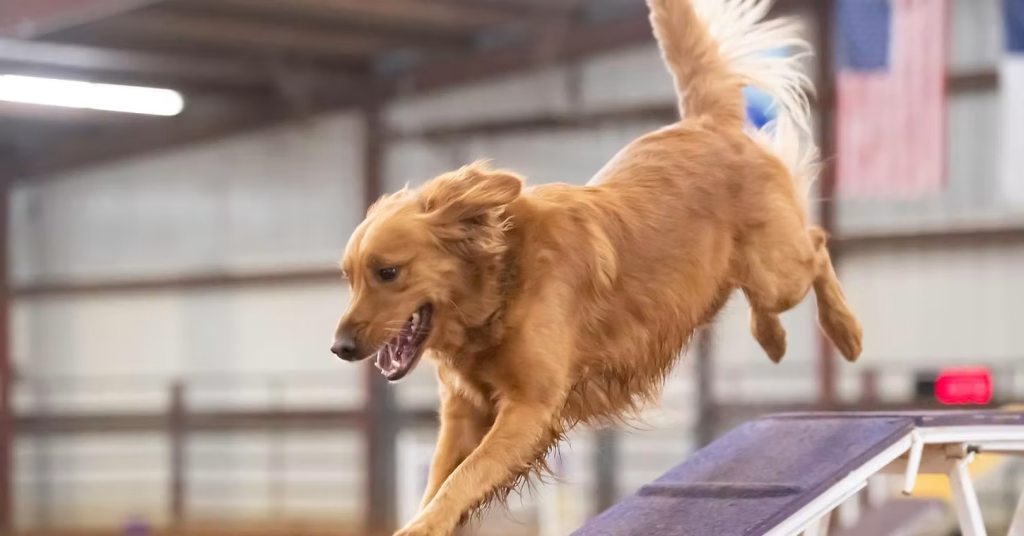
Sig
Agility
“The surgical options were thoroughly explained, and Sig had surgery the very next day—repair of the OCD lesion in the right shoulder and radiofrequency treatment with platelet-rich plasma (PRP) and stem cell injections in the left. It has now been 11 months since surgery, and Sig is fully recovered. He has resumed agility classes and is stronger, faster and happier than ever.”
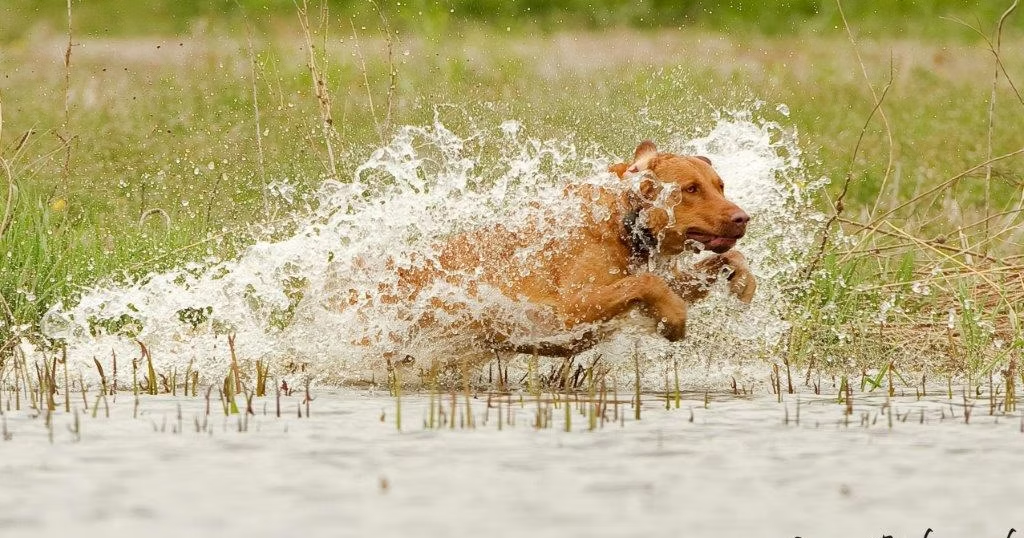
Bacchus
Field Trials
“Late in 2016 he subsequently underwent a left shoulder arthroscopy with radiofrequency treatment and left elbow arthroscopy. Bone marrow stem cell therapy was performed (left supraspinatus tendon and left shoulder) by Dr. Sherman Canapp. Following these procedures and aggressive rehabilitation therapy Bacchus was able to resume his field trial career in late 2017.”